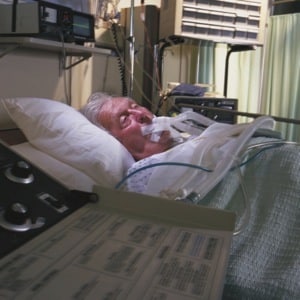
There often comes a time when a family has little choice but to place their loved one in a nursing home or assisted living facility. Older family members may need a higher level of care than their families can realistically provide, or it may no longer be safe for them to live alone. Unfortunately, in some situations, staying in a nursing home means opening yourself up to abuse and neglect.
Nursing home residents are frequently subject to infection over the course of their stay. The age and often weakened condition of our elderly loved ones leaves them susceptible to various forms of illness. While these infections are common, that does not mean that they are unavoidable. It is the duty of the nursing home facility to ensure that all reasonable measures are in place to circumvent such ailments.
Should an unfortunate infection occur despite preventative care, it is the facility’s responsibility to treat the illness and ensure that a recurrence does not take place. Unfortunately in many instances where the infection or other ailment was avoidable, the resident has been neglected by staff at the facility.
If your loved one has been diagnosed with a preventable infection while at a nursing home, the Law Offices of Thomas L. Gallivan can help. We offer compassionate, skilled advocacy for nursing home residents and their families. Reach out today to schedule a free initial consultation with our New York nursing home abuse lawyers.
Committed Legal Help
Our nursing home neglect attorneys have worked for years in all five boroughs of New York City, plus Westchester, Rockland, Orange, Nassau, and Suffolk Counties. A team of lawyers and nurses will review your loved one’s nursing home experience to ensure that all reasonable care was taken to protect his or her health and well-being.
If, while in the care of a nursing home, your elderly relative has been diagnosed with:
- Recurrent Urinary Tract Infections
- Sepsis
- Osteomyelitis
- Pneumonia
- Skin Infection
- Clostridium Difficile (C-Diff)
or any other illness that could have been prevented, please contact us today. If the physical health of your elderly loved one has been compromised in a nursing home facility, let the well-credentialed attorneys at the Law Offices of Thomas L. Gallivan, PLLC help you seek justice and restore your peace of mind.
Common Infections in Nursing Homes
Approximately 1.5 million people live in nursing homes across the United States. These residents experience roughly 2 million infections each year. These infections can often lead to premature death due to complications.
Given close living quarters, the age and frailty of residents, and the need for certain medical interventions (such as catheters or feeding tubes), infections happen frequently in nursing homes. Some of the more common infections seen in nursing homes include:
- Pneumonia and lower respiratory tract infections, including influenza
- Urinary tract infections
- Viral and bacterial gastroenteritis (stomach bugs), including norovirus and clostridium difficile
- Skin and soft tissue infections, such as cellulitis, erysipelas, necrotizing fasciitis, infected pressure ulcers, diabetic wound infections, vascular ulcers, intertrigo, tinea versicolor, and scabies
- Sepsis
- Surgical site infections
- MRSA
- Staph infections
- Hepatitis A
In some cases, these infections are not necessarily preventable. This is particularly true for certain types of airborne infections. For example, during the COVID-19 pandemic, many nursing homes saw high numbers of patients infected with the virus despite taking precautions such as masking.
In other cases, however, an infection was entirely preventable. For example, bed sores and pressure ulcers can often be avoided through proper care of nursing home residents. Once a patient has a pressure ulcer, a lack of proper medical care may lead to an infection. Similarly, poor hygiene and sanitary practices or other form of medical neglect may lead to preventable infections in nursing homes.
Nursing Home Infection Lawsuits
If your loved one developed an infection while living in a nursing home, you may be able to file a lawsuit against the nursing home if they were hospitalized or died as a result of the infection. Generally, these lawsuits are based on a theory of negligence. This legal standard means that the nursing home failed to use the level of care that a reasonable person would in a similar situation.
Importantly, not every nursing home infection is the result of neglect or negligence. Nursing home residents often come from hospitals or other care facilities. They may bring infections like MRSA or C-diff with them when cycling between facilities, and there may be little that a nursing home can do to prevent the spread of such infections.
However, nursing homes do have certain legal duties when it comes to their patients. This includes:
- Keeping patients bathed
- Ensuring that patients are properly cleaned of urine and feces, particularly if they are incontinent
- Using proper hygiene and sanitary practices, including wearing gloves or masks when necessary and frequent handwashing
- When necessary, isolating residents who are known to have a highly contagious disease such as the flu
- Seeking medical care for residents when they first show signs and symptoms of infection
- Ensuring that antibiotics and other medications are given as ordered
- Cleaning and changing linens and sheets often
- Cleaning and changing wound bandages
- Moving residents frequently to prevent pressure ulcers
- Regularly checking wounds, including bedsores, for signs of infection
- Disposing of waste products properly
If a nursing home fails to take these and other steps to protect residents, and a patient gets sick as a result, then the nursing home may be legally liable for any injuries that result, including death. Importantly, even if the nursing home couldn’t have prevented the infection itself, it can be held responsible for failing to adequately respond to an infection. For example, if a resident contracts pneumonia and the nursing home staff doesn’t immediately contact a doctor, which leads to a more serious infection, they could be held liable for their negligence.
In these situations, the resident and/or their family members may bring a lawsuit against the facility and any other negligent parties. Through this type of personal injury claim, an injured nursing home patient may recover financial compensation for:
- Medical bills
- Cost to move to a new facility
- Future medical treatment
- Pain and suffering
- Scarring
- Disfigurement
- Loss of enjoyment of life
- Emotional distress
In cases where a nursing home resident dies as a result of an infection, their surviving family members may be able to file a wrongful death lawsuit against the at-fault parties. Through a wrongful death action, the deceased person’s estate can seek compensation for funeral and burial expenses, healthcare costs related to the deceased person’s injury or illness, financial support that the deceased person would have provided, loss of inheritance, and loss of care and guidance to surviving children.
Nursing home abuse lawsuits can be complicated and must be filed in a timely manner. If your family member has been injured as a result of a nursing home infection, you should contact a New York nursing home neglect attorney as soon as possible. They will evaluate your claim and get to work right away to gather evidence to support your case.
Contact Us Today
When you place your loved one in a nursing home, you expect them to be safe. Unfortunately, this isn’t always the case. Nursing home abuse and neglect – including preventable infections – is far too common. In this situation, filing a lawsuit against the nursing home can help you achieve justice for your family member.
At the Law Offices of Thomas L. Gallivan, we are devoted to attaining the maximum amount of compensation for medical bills, pain and suffering, and other exigent circumstances surrounding your loved one’s illness. We offer free initial consultations and never charge a fee unless we recover money for you. To talk to a New York nursing home neglect lawyer, give us a call at 914-220-1086 or fill out our online contact form.
How Long Do I Have to File a Nursing Home Infection Lawsuit?
The statute of limitations for personal injury claims in New York is 3 years. However, there is a shorter statute of limitations for wrongful death (2 years) and for medical malpractice (2.5 years). If you do not file a lawsuit within this time period, then you will not be able to pursue a claim.
2 to 3 years may seem like a long time, but it can go quickly when you are dealing with the stress and trauma of a nursing home infection. More importantly, waiting to file a claim may mean that critical evidence is lost or that witness memories have faded. Contact the Law Offices of Thomas L. Gallivan today to schedule a free consultation with a New York nursing home neglect attorney.
How Can I Afford to Hire a Nursing Home Neglect Lawyer?
Nursing home abuse and neglect attorneys typically work on a contingency fee basis. This means that you will pay nothing upfront, and will only pay a fee if they recover money for you through a settlement or verdict at trial. The fee will be a percentage of your total recovery, based on your contingency fee agreement.
With a contingency fee, you won’t have to worry about paying an hourly fee or being able to afford the often high cost of a lawyer. It also means that your interests will be aligned with your attorney’s, as you both want to resolve the case for as much money as possible and as quickly as possible. In New York, call the Law Offices of Thomas L. Gallivan to schedule a free initial consultation with a member of our legal team.
The Nursing Home Is Offering Me a Settlement. Should I Take It?
No. You should not accept a settlement, give a statement, or sign any paperwork until you have had an opportunity to talk to a lawyer. The nursing home – and their insurance company – want to resolve your infection claim for as little money as possible. They are looking out for their own best interests, not yours or your family’s interests.
An experienced New York nursing home abuse and neglect lawyer can work with you to ensure that your rights and interests are protected. They will perform an investigation, consult with experts, and work hard to make sure that you get the money that you deserve. Reach out to the Law Offices of Thomas L. Gallivan today to schedule a no-cost, no-obligation consultation with a member of our legal team.